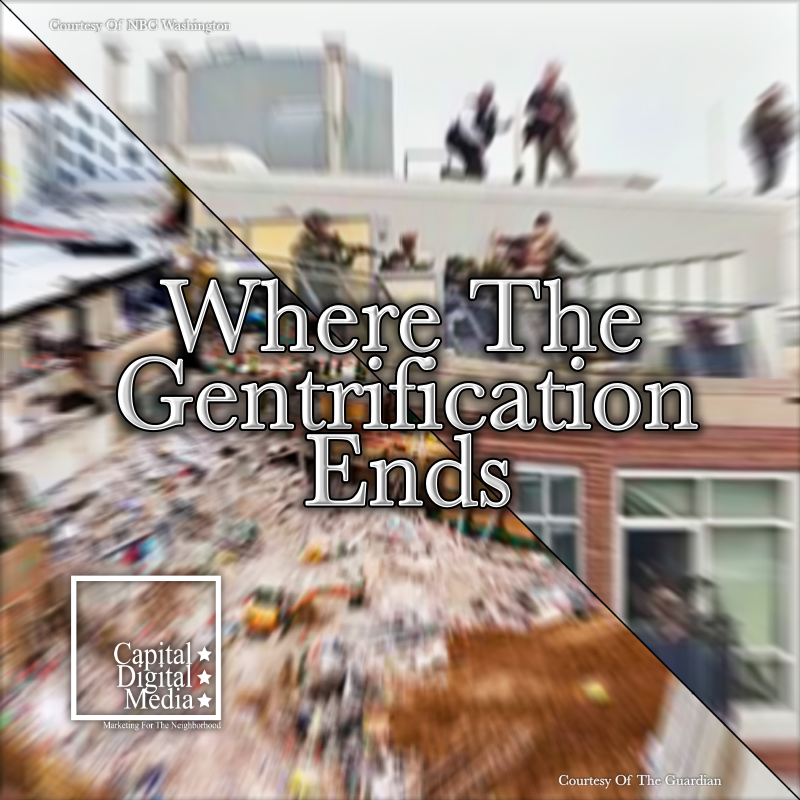
A Tragic Turnaround
The recent tragic events in both New York City and Washington DC, are sharp and palpable contradictions to the growth, inclusion, and progression perceived in urban renewal and redevelopment. The glistening new million dollar infrastructures alludes to once decaying cities now in revival.
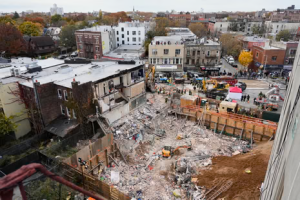
Image Courtesy Of The Guardian
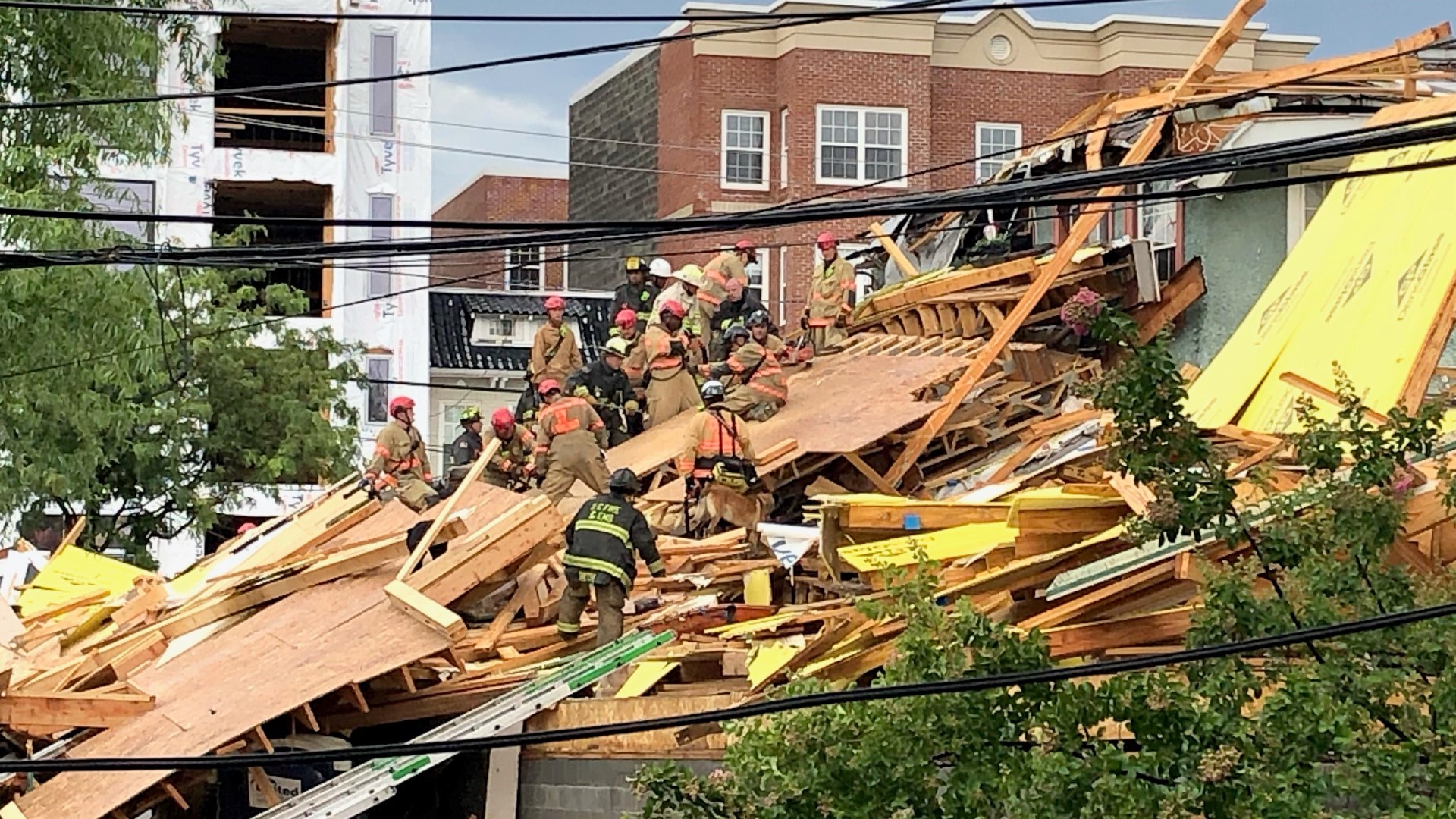
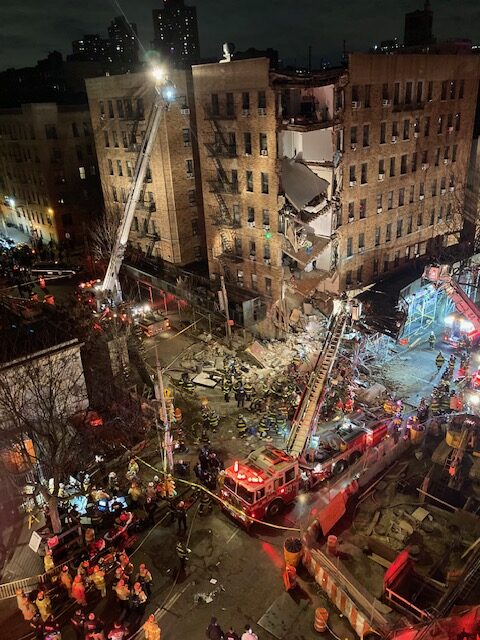
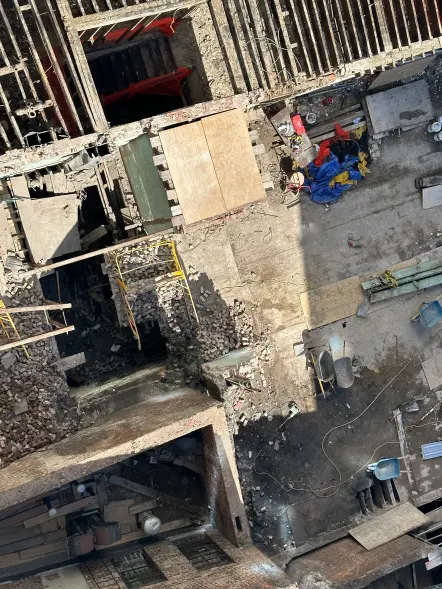
And so, social programs, public safety, and affordability should be the expected result of such visible improvement, right? The apartment collapse in Brooklyn New York City on November 11, 2026 killing 8 and injuring 17, is a heartbreaking signal of how resources and attention have diverted from existing communities to pursue more profitable development. On November 12th, the following day, Dr. Matt Lamber walked into a VIDA gym in Logan Circle Washington D.C, and shot and killed his building manager James Stewart and then five others from his balcony before taking his own life. Prior to this event, Dr. Lambert had complained about water damage and black mold within the walls of his luxury apartment. Prior to the events on the 12th, Lambert had filed a lawsuit alleging that issues in his penthouse had made the property unusable.
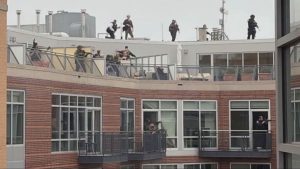
Image Courtesy Of NBC Washington.
His attorney described an extended conflict over how management handled his complaints. The murder of the building manager and the criminal investigation must be considered separately, and nothing about the legal dispute excuses the violence. But both tragedies must urge a deeper look into how urban renewal has been pitched as progress, yet buildings remain neglected, infrastructure deteriorates, and housing conditions decline despite rising property values. The end result raises a different question: Who actually benefits from neighborhood redevelopment, and who is left living with its consequences?
infrastructural collapses under mayoral leadership.
Muriel Bowser
Washington D.C
| Date and location | Incident | Victims and impact |
|---|---|---|
| May 1, 2015 — Watergate complex, 2600 Virginia Avenue NW | Three-story parking garage partially collapsed | Two construction workers injured; no confirmed deaths. |
| May 15, 2016 — Fenwick Street NE, Ivy City | Large portion of vacant building wall collapsed | No injuries reported. |
| June 12, 2019 — 1300 block of 13th Street NW | Partial collapse of a rowhouse under renovation | One construction worker seriously injured. |
| January 15, 2020 — 1102 Staples Street NE | Two-story building partially collapsed | No confirmed fatalities in the initial reporting. |
| July 1, 2021 — 916 Kennedy Street NW | Five-story building under construction collapsed during a storm | Five construction workers injured. |
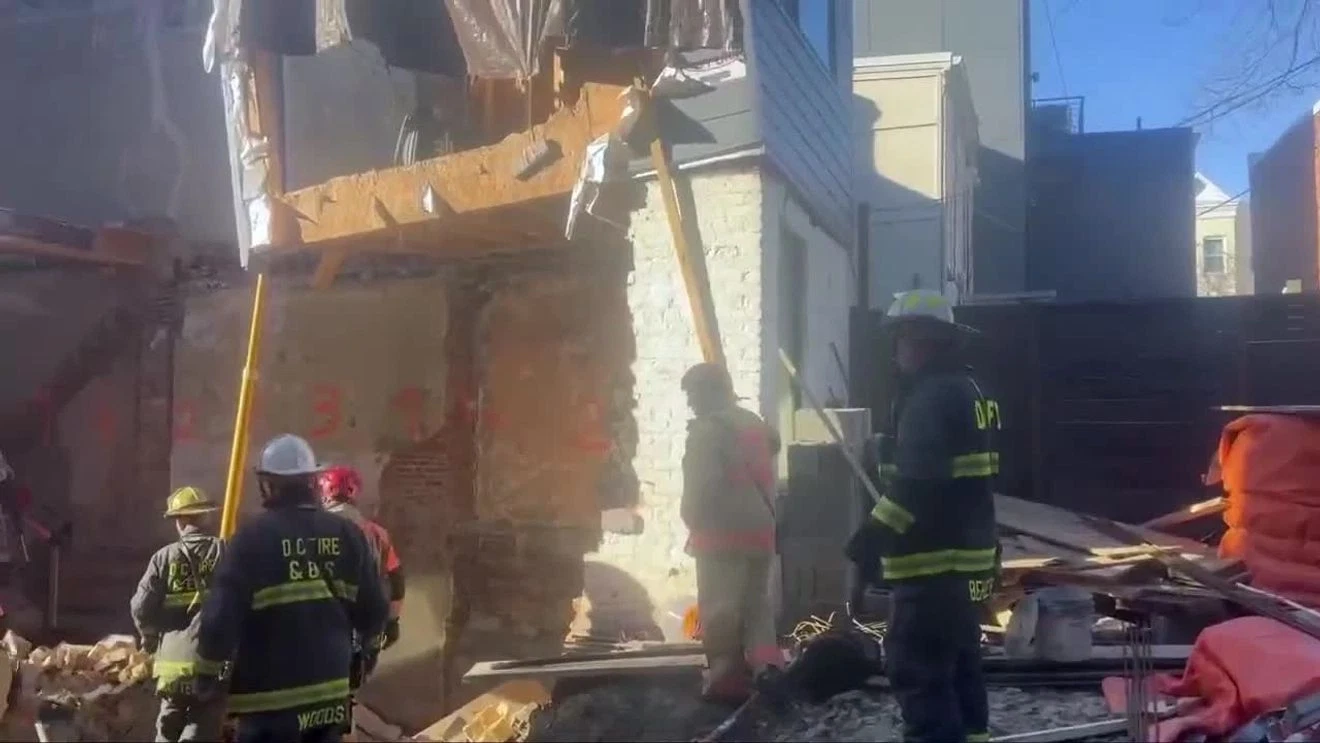
| December 23, 2024 — 1111–1113 V Street NW | Partial collapse of a rowhouse undergoing demolition and construction | Construction worker Edgar Cifuentes-Lopez died. |
Sources:
The Washington Post+6
Eric Adams
New York City
| Date and location | Incident | Victims and impact |
|---|---|---|
| April 24, 2022 — 108-26 Avenue N, Brooklyn | Ceiling collapse during a three-alarm fire | Firefighter Timothy Klein, 31, died. |
| March 7, 2023 — 126 Lafayette Street, Manhattan | Wall and scaffold collapsed during demolition | One construction worker died; three injured. |
| April 18, 2023 — 57 Ann Street, Manhattan | Five-story parking garage partially collapsed | Garage manager Willis Morris, 59, died; five injured. |
| December 11, 2023 — 1915 Billingsley Terrace, Bronx | Partial collapse of an occupied seven-story apartment building | No deaths; reports document two minor injuries and more than 100 residents displaced. |
| February 2, 2024 — 1266 50th Street, Brooklyn | Residential construction floor collapsed into cellar | One construction worker, identified in reporting as Juan Ganche, 33, died. |
| October 1, 2025 — Mitchel Houses, Bronx | Boiler chimney partially collapsed following an apparent explosion | No deaths or injuries reported; residents were evacuated from affected sections. |
Mayoral Disfunction
These infrastructural catastrophes aren’t so much indictments on these mayor’s admins themselves. However, under these mayor’s leadership, much of the deteriorating dwellings that had been in disrepair for some time, and were in desperate need of attention had finally failed as adequate warnings had reached the appropriate offices with no action. This consistent lack of action now feels like a willing negligence as new real estate developers continue to put pressure on local housing markets.
A Crumbling Capital
Gentrification’s affect on DC residents has been very particular and stingy at best. What’s peculiar, is the deeply rooted local cultures seem to have held on, and even leveled up amongst the communal disruption which has otherwise set itself upon the city. The “Don’t Mute DC” was needed to deflect noise complaints from new neighbors who find themselves in bustling night districts and commercial spaces where music, especially Go-Go plays at volume. The displacement of longtime residents has been a chronic issue in the city since the start of the redevelopment, exacerbating a homelessness crisis that has pulverized the city for generations. Tent encampments have become more present in neighborhoods, traffic tunnels, commercial spaces, even downtown amongst government buildings. Another reoccurring issue in the nations capital has been decaying and failing waterlines that haven’t been uprooted for the better part of 100 years. This prompts water warnings, urging the city’s residents to boil their tap water before usage, another long standing problem that has plagued Washington’s citizens for generations. More extravagant buildings go up across the city, while the waterlines underneath them rot and rupture.
A Rotting Apple
These infrastructural catastrophes aren’t so much indictments on these mayor’s admins themselves. However, under these mayor’s leadership, much of the deteriorating dwellings that had been in disrepair for some time, and were in desperate need of attention had finally failed as adequate warnings had reached the appropriate offices with no action. This consistent lack of action now feels like a willing negligence as new real estate developers continue to put pressure on local housing markets. In D.C a rather telling reoccurring issue in the nations capital has been decaying and failing waterlines that haven’t been uprooted for the better part of 100 years. This prompts water warnings, urging the city’s residents to boil their tap water before usage, a long standing warning that has plagued Washington citizens for generations. More extravagant buildings go up across the, while the waterlines underneath them rot and rupture.