

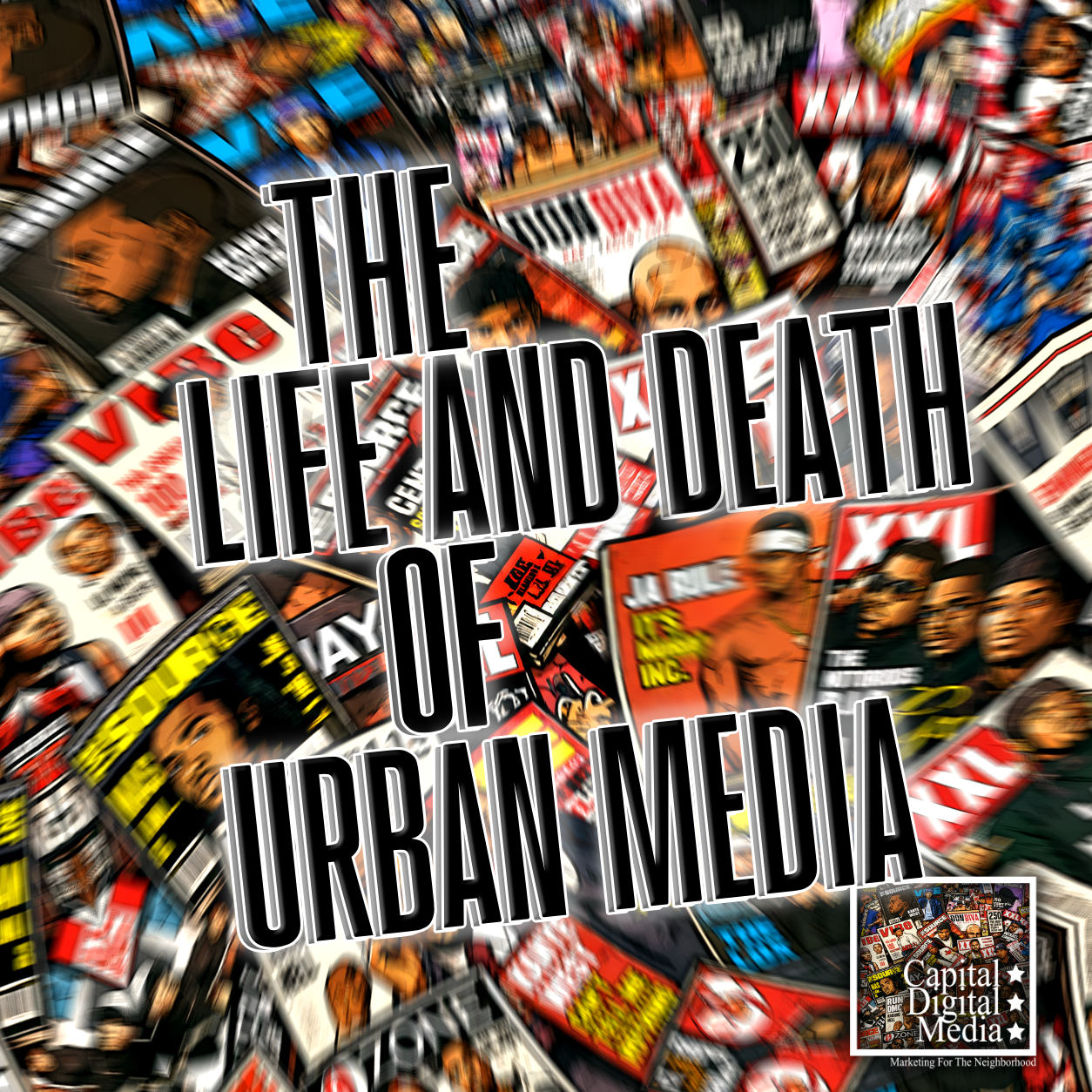
in the era of the 3-minute rap song and the grandiose of the hip-hop lifestyle, hip-hop journalism captured it all. Within the network orbit of MTV, VH1, BET, and Video Music Box; publications like Vibe Magazine, The Source Magazine, Hip Hop Weekly, and Word Up, encompassed the tangibles of the culture—the fashion, the lyrics, the production, the personalities, even the gossip—but most of all, the music. Through the 2000s, rap magazines evolved into DVDs and a plethora of exclusive mixtapes and music erupted into the scene. These outlets cataloged and communicated hip-hop culture’s constantly changing visual history before the immediacy of the internet. Time progressed, as did technology, ultimately phasing out the old ways reaching information; the magazines, then CDs, then DVDs, being totally replaced with downloads. And ever since, tangible, hardcopy media has all but disappeared, but the legend of these foundational pillars of hip-hop literacy will not be erased…

HIP HOP MAGAZINES were the apex of urban journalism in the early 90s’ into the mid-2000s’. Notorious BIG mentions “Word Up Magazine,” in the song “Juicy,” then is featured on the “The Source” magazine cover in 1995, noting the impact of hip-hop publications.
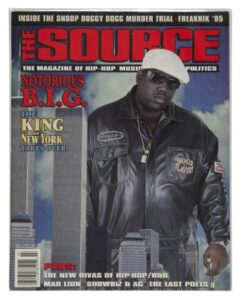
Notorious BIG graces the cover of The Source Magazine 1995.
“Vibe,” “XXL” and others, became introspective hot sheets for hip-hop, rap, and R&B culture. Inside of every neighborhood music store, racked amongst the array of CD’s and tapes, the artist-themed format of hip-hop magazine covers were laced thru the musical selection. Nestled amongst the Readers Digest, Men’s Health, in the grocery stores, publications like Source Magazine and Hip Hop Weekly, lured shoppers away from their shopping for a quick flip through the pages. A good “Don-Diva” mag capped off every successful sneaker expedition, while plucking a Word Up from the shelf of your local convenience store, was a common ritual. Each publication had their own style, feel, and look, visually and editorially capturing the gaze of patrons who were probably searching for something totally different, only to happen upon the months latest editions.
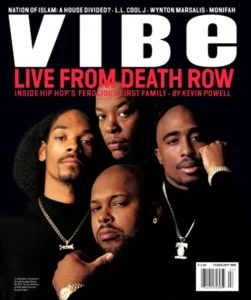
The infamous 1996 Death Row Records cover of Vibe Magazine, featuring Suge Knight, Dr. Dre, Snoop Dogg, Tupac.
The magazines gave the reader an in-depth look into the featured artist’s personal life and opinions, the impact of their careers in their respected genres’, even their sense of fashion. Being featured in a magazine was a “rite-of-passage” for an artist, and at the height of their popularity, an interview with a hip-hop journalist could make or break an artist’s career and public perception. Other editions might focus on a specific subject matter or notable event worthy of a spotlight within the magazine pages.
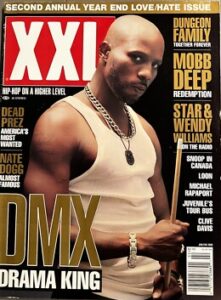
DMX at the height of his fame blesses the cover of XXL Magazine in 2002. We Still Love The Dog!
Time progressed and technology advanced, as the internet developed speed and access making information readily available for the user. Magazines began to compete with the search engine for the attention of the reader. Rap publications began to feel the pressure of the information age as celebrity gossip and current events were no longer exclusive to the pages of the magazines or newspapers. Sites like WorldStarHipHop.com became a hot source for the gossip, industry news, and a little chaos. Hardcopy magazines of the Source, XXL, and Vibe became rare, few, and far, until physical copies were no longer available. But these imprints continue their availability online, furthering the conversations and centering their content around the culture we hold dear. Although the physical presence of these magazines have faded, they remain within digital outlets where their journalistic presence continues to influence the culture.

MIXTAPES became the nexus for individual displays of skillset and style for rappers.
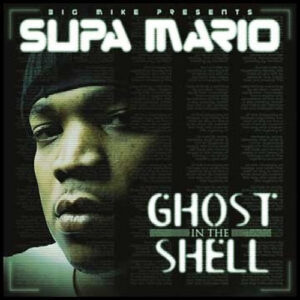
Styles P’s most prolific mixtape, Ghost In The Shell, released in 2005 was an impactful and lyrically heavy introduction to the mixtape era.
Before federal scrutiny handicapped the industry, underground mixtapes and mixtape series, were sought after, coveted and exclusive interim projects between major studio albums. A rap artist may drop a mixtape alongside a popular host or DJ, leveling up their relevance, exhibiting their talent and previewing songs yet to hit mainstream or radio circuits. Rap crews and collectives began to capitalize and gain notoriety from exclusive and early song releases assembled with freestyle raps on familiar “industry beats.” Catalogs of raw lyrical prowess, bravado, showmanship, and style followed these artists through the shifting trends and industry politics.
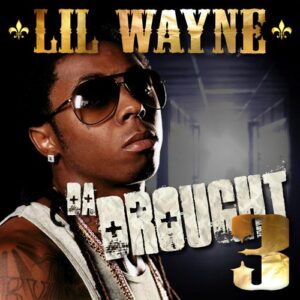
Lil Wayne’s 2007 mixtape The Drought 3, thrusted Lil Wayne into superstardom. Right before his critically acclaimed Carter 3 album, Wayne dropped this gem.
As rap careers elevated, broiling disputes and beefs were addressed through the mixtape circuit popularizing “rap beefs,” a trend that transcended from representing on wax, to standing on your word in the street. The Streetwars mixtape series emerged as a audio catalog of the contention and conflicts between rap artists of the period. Streetwars mixtapes were quintessential to the competitive nature of the rap industry at the time; not only documenting the lyrical battles between artists, but displaying the raw, unfiltered cunning, creativity, and clever wordsmithing. As the game changed, the mixtape became the focal point for artists to gain exposure and present their art and point of view.
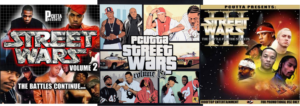
The Streetwars series is an extensive catalog featuring all of the diss tracks and rap beefs that rattled the rap game in the early 2000s.
The mixtape trend became an industry of its own. On the “bootleg route,” mixtapes from underground rapper and notable artists spread far and wide; from New York, to Philly, to Atlanta, and Florida, big DJ/host names like Drama, Kay Slay, Big Mike, Green Lantern began breaking records and new artists. Groups like Diplomats, G Unit, DBlock, conjured cult followings that translated to culture shifts, and debates over popularity, lyricism, reputation, even fashion.
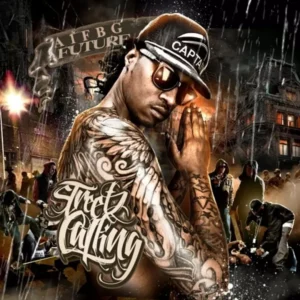
Streetz Calling is Future’s 2011 mixtape before the release of his debut album Pluto. Songs like “Gone To The Moon,” and “Same Damn Time,” gave Future foundation for the career ahead of him.
50 Cent, Lil Wayne, Gucci Mane, Styles P; artists with “nuclear-level” impact and heavy mixtape contributions, broke ground for a subculture within modern rap and hip hop through versatility and accessibility.
The internet transformed the mixtape industry, setting a fresh new standard contrary to the grind of an emerging rap career. The hand-to-hand CD hustle transitioned from the trunks and bookbags to downloads from DatPiff.com, Livemixtapes.com, and a plethora of other methods of acquiring music. Alongside the “Atlanta/Down South takeover, the mixtape game redefined fame, reputation, and the accessibility of music in general. Whether pounding the pavement, or trending on the web, mixtapes translated to million-dollar record deals and music labels ran by the rappers themselves.

THE DVD ERA could best be described as the climax of years of musical culture, fashion, journalism, and lifestyle all merging at a visual point.
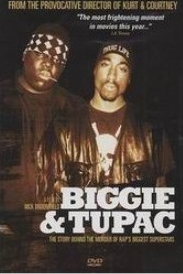
This 2002 documentary by Nick Broomfield tracks the evidence related to the Notorious BIG and Tupac murders. The DVD era introduced a refined demand for documentaries and informational content.
The freestyle battle or “cypher,” wasn’t such a phenomenon; seen weekly on shows like BET’s 106 and Park, Rap City The Basement, and MTV2’s Fight Klub, even a HBO staged special called Blaze Battle. Yet, SMACK DVD introduced the freestyle battle in an organic, fresh, “round-the-way format” that brought crowd reaction and interaction to the forefront. SMACK DVD’s cameras went to the neighborhoods, documenting the gritty urban atmosphere and highlighting both the new and the notable rap artists at their most uncompromising.
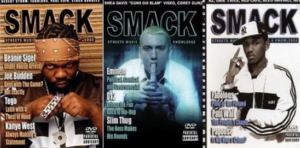
SMACK DVD, (Streets, Music, Arts, Culture, Knowledge) the quintessential digital magazine that pioneered and dominated the DVD space for a nearly a decade. Its in-depth interviews, urban music videos, freestyle battles and unfiltered aesthetics appealed to a loyal fanbase .
More DVD series like “The Come Up” and “Hip-Hop All Access” featured more deep dives into rapper’s current events, backstage access at tours, behind the scenes at video sets, and in-studio coverage catching the creative process on camera. Documentaries of infamous hustlers and historic street figures also became popular as the urban DVD circulation became an ecosystem of its own. The Alpo, AZ, and Rich Porter story, The Rayful Edmonds story, and a plethora of American gangster tales weren’t new, but reached a larger audience thru DVD exposure. The documentary trend arguably, was sparked through the independent market; like the Cocaine Cowboys series following many of the urban documentaries.
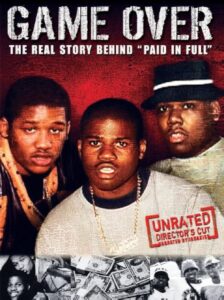
One of the most notable urban documentaries in circulation, Game Over reinforced the events depicted in the movie “Paid In Full,” with the real-life accounts of AZ, Alpo, and Rich Porter.


